
Find Cheap Ammo Deals Now and Stock Up Before Prices Climb Again
When you’re finally able to get to the range after a long week, realizing you can afford an extra hundred rounds without wincing at the total is a quiet relief. Cheap ammo simply means reliable, functional cartridges made with cost-effective materials and streamlined manufacturing, so you get the same bang for a fraction of the brand-name price. It lets you practice more often, build muscle memory, and enjoy your firearm without the guilt of draining your wallet, as long as you stick to reputable budget lines for your plinking and training sessions. For everyday target shooting, that savings translates directly into more trigger time and less financial stress.
Why Affordable Ammunition Is Worth Your Attention
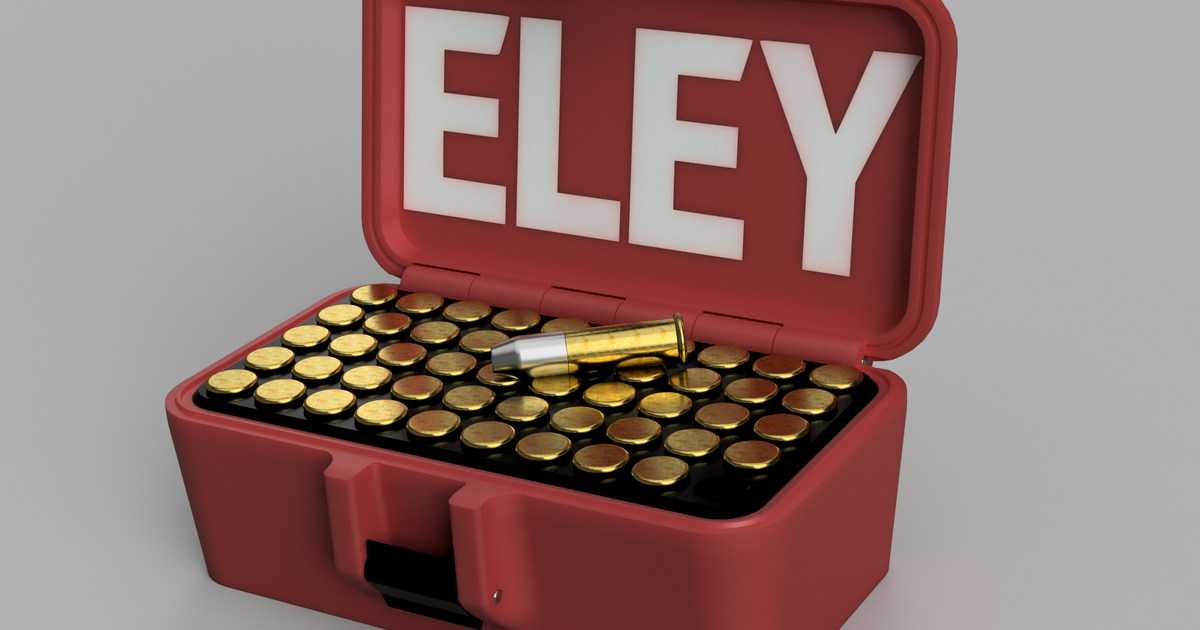
Affordable ammunition earns your attention because it transforms practice 6.5 PRC Ammo for Sale from a rare event into a routine habit. When cheap ammo fits your budget, you can shoot more frequently, which directly builds muscle memory and trigger control—skills that vanish without repetition. Low cost per round means you can test different loads and discover what your firearm cycles reliably, without guilt over wasted cash.
Every dollar saved on cheap ammo is a dollar invested in your own proficiency, not a compromise on safety.
You also become willing to run malfunction drills or shoot from unconventional positions, knowing the expense won’t sting. The real value isn’t just financial—it’s the confidence earned through volume. Prioritizing affordability keeps you shooting, and shooting consistently is the only path to real marksmanship.
What Exactly Counts as Budget-Friendly Rounds?
Budget-friendly rounds aren’t just the lowest sticker price—they’re the best value for your actual shooting goals. For most casual range trips, that means **reliable bulk-pack FMJ ammunition** in common calibers like 9mm or .223, often priced under 30 cents per round for pistol calibers. You’re looking for consistent performance, not match-grade precision. Steer clear of obscure calibers or fancy specialty sports defensive loads that spike cost. A round counts as budget-friendly if it lets you train often without guilt, cycles reliably in your firearm, and still hits a torso-sized target at typical distances. If you’re paying half the price but getting malfunctions, that’s false economy.
What exactly counts as budget-friendly rounds? Simply put, it’s any factory-new round that costs noticeably less than the premium competition, sacrifices only a little accuracy, and remains dependable enough for practice. Think steel-cased or aluminum-cased options—they’re cheaper per box and perfectly fine for plinking. Avoid remanufactured or sketchy brands that risk your gun’s action. Ultimately, the sweet spot is around 20–30% below premium ammo cost while still feeding and ejecting every time.
How Lower Prices Affect Performance and Reliability
Lower prices often correlate with stricter material tolerances and less consistent powder charges, directly impacting performance. While premium rounds guarantee tight groupings, budget-friendly options may exhibit wider velocity spreads, affecting long-range accuracy. Reliability can also shift, as cheaper primers or cases might cause occasional light strikes or extraction issues. However, cost-effective ammunition for practice generally cycles fine in most modern firearms, sacrificing only fine-tuned precision for 7mm-08 Ammo for Sale repetitive training value. Muzzle velocity can vary by 50–100 fps between batches, altering point of impact at distance.

- Increased shot-to-shot variation reduces tight-group potential beyond 50 yards.
- Lower-cost brass may require more frequent inspection for cracks after reloading.
- Fouling levels tend to rise, necessitating more regular cleaning schedules.
The Real Difference Between Cheap and Low-Quality
Cheap ammo earns its label through streamlined manufacturing and bulk material savings, not by cutting safety corners. Low-quality ammunition fails due to inconsistent case dimensions, weak primer seating, or erratic powder charges—problems that cause stovepipes and squib loads. A budget round can still group respectably at 25 yards, while a junk round might keyhole or refuse to chamber in a tight barrel. The distinction lives in performance standards: cheap means fewer frills, like unpolished brass or plain projectiles, yet reliable ignition and uniform pressure. Low-quality means unpredictable behavior that wastes your range time. 6.5 Creedmoor Ammo for Sale If a round cycles every firearm you own without hiccups, it’s cheap, not defective.
Cheap ammunition sacrifices cosmetics and packaging—low-quality ammunition sacrifices function and reliability.
How to Pick the Best Value Rounds for Your Firearm
Start by identifying your firearm’s intended role—defensive loads demand proven expansion, so never compromise on premium hollow points for carry, even if cheap ammo tempts you. For range practice, prioritize full metal jacket rounds from reputable manufacturers like Federal, CCI, or Magtech, buying in bulk to cut cost per round. Compare prices per 50 or 100 rounds across retailers, but always check for brass casing versus steel—steel is cheaper but can wear extractors and may be banned at some indoor ranges. Test a single box of any cheap ammo first for function and accuracy in your specific gun; one failure per magazine isn’t worth the savings. Buy the least expensive load that consistently cycles and holds a workable group, and track your round count to know when cheap batches are running dirty or weak. Remember that the best value is not the lowest price, but the cheapest round that never makes you doubt your equipment.
Matching Budget Cartridges to Your Gun’s Caliber Needs
Matching budget cartridges to your gun’s caliber needs starts with ignoring the sticker price and verifying the headstamp against your barrel’s stamp. A cheap .223 Remington round will chamber in a 5.56 NATO gun, but pressure spikes can turn a bargain into a bust, so stick to the caliber your manufacturer explicitly lists. Budget-friendly accuracy hinges on bullet weight matching your twist rate—a 1:7 twist prefers 62–77 grain loads, while a 1:12 twist struggles with anything over 55 grains, making those light, inexpensive bullets your best bet. Cheap ammo only feels cheap when the projectile doesn’t match your firearm’s intended purpose, like plinking with soft-point hunting loads. Check for signs of overpressure (flattened primers) after the first box.
Q: Can I fire discount .38 Special rounds in a .357 Magnum revolver?
A: Yes, but you’ll get dirty chambers and erratic point-of-impact; reserve them for short-range practice, not defense. Match the cartridge to Shotgun Ammo for Sale the chamber, not the other way around, and you’ll stretch every dollar.
Full Metal Jacket vs. Hollow Points: Where to Save
When stretching a budget for cheap ammo, Full Metal Jacket vs. Hollow Points: Where to Save comes down to your target medium. For range practice, ball ammo like FMJ is your clear winner—its low cost and reliable feeding let you burn through hundreds of rounds without guilt. Reserve hollow points exclusively for defensive loads, where their expansion justifies the premium. Do not waste money on premium JHP for plinking; the ballistic advantage is irrelevant on paper targets. Likewise, don’t cheap out on FMJ for self-defense—it over-penetrates and lacks stopping power. Buy FMJ in bulk for drills, and only spend extra on a small box of quality hollow points for your carry magazine.
- FMJ saves you 30–50% per round, making it ideal for high-volume practice.
- Hollow points cost more but are non-negotiable for personal protection.
- Split your budget: 80% FMJ for training, 20% JHP for carry ammo.
Reading Box Labels for Consistent, Low-Cost Plinking
When you’re grabbing budget boxes for plinking, the label is your cheat sheet for consistent, low-cost plinking. Ignore the flashy branding and scan the velocity rating—a wide swing between batches means your point of impact shifts, wasting ammo on sighters. Check the bullet weight (grains) and match it to your barrel’s twist rate; a mismatched load prints erratic groups. Look for “remanufactured” or “new” stamped clearly, as reman often needs a break-in period. Always note the lot number—if the first box shoots well, buying the same lot guarantees identical performance.
| Label Element | Why It Matters for Plinking |
|---|---|
| Velocity (fps) | Consistent recoil and trajectory for repeat Rimfire Ammo for Sale drills |
| Bullet weight (gr) | Stability and zero retention across batches |
| Lot number | Ensures same powder/primers—prevents flyers |
| Case type (brass vs steel) | Brass reloads more consistently, smoother feeding |
Practical Ways to Stretch Every Dollar Spent on Ammunition

To truly stretch every dollar spent on ammunition, start by buying cheap ammo in bulk—cases of 500 or 1,000 rounds usually slash per-round cost by 15–20% versus boxes. Pair that with a reloading setup for your most-shot calibers, as reusing brass can cut future costs nearly in half, making even budget-friendly factory loads look pricey. Focus your range time on dry-fire practice at home, then spend those saved rounds on zeroing and malfunction drills only. Also, hunt for military surplus or steel-case options online—they’re often the cheapest per round—and sign up for in-stock alerts to grab deals before they vanish. Finally, track your shots fired per session; wasting rounds on unplanned mag dumps defeats the whole purpose. Every bullet counts when you’re pinching pennies.
Buying in Bulk: How Case Quantities Cut Per-Round Costs
Buying a full case—typically 500 to 1,000 rounds—directly attacks the largest hidden cost in shooting: per-unit packaging and freight. Retailers stack discounts onto case quantities because they move fewer, heavier boxes, and those savings pass straight to your cost-per-round. For example, a 20-round box might run $12, but a 500-round case often lands at $250—that’s $0.50 per round versus $0.60, a 17% cut before you ever pull a trigger. **Case-quantity pricing compounds with free-shipping thresholds**, so pairing a case with other gear can erase delivery fees 7mm WSM Ammo for Sale entirely. You also avoid the “panic markup” of single boxes during shortages. Is buying a case always cheaper per round? Yes—if you compare same-brand, same-grain loads, the per-round price invariably drops as quantity rises. The only caveat is storage, but even a modest shelf beats paying retail every range trip.
Using Rebates and Clearance Deals Without Sacrificing Safety
Rebates and clearance deals lower the cost of cheap ammo without compromising safety, provided you verify the round’s provenance before Ammunition for Sale purchase. Inspect clearance boxes for damaged primers, corroded cases, or loose projectiles—discounts never excuse visible defects. For rebates, buy only from reputable manufacturers (e.g., Federal, Remington) and confirm the lot number matches the rebate form; avoid gray-market imports whose pressure specs may differ from your firearm’s manual. Always test a small batch for function and accuracy before bulk use, and store rebate-purchased ammo in dry, temperature-stable conditions, as improper storage—not the deal—causes most safety issues.
- Check headstamps and rim condition on clearance ammo for signs of resizing or reloading.
- Claim rebates only within the offer window, and retain the UPC code and receipt for lot-traceability.
- Run 10–20 rounds through a chronograph to confirm velocity within factory spec before relying on them.
Reusing Brass Casing and Reloading Basics for Big Savings
Reloading turns once-fired brass casing reuse into your biggest recurring discount, since the case is the priciest component to replace. Start by sorting spent casings by headstamp, then inspect for cracks or primer pocket damage before tumbling them clean. Basic single-stage presses let you resize, deprime, and seat bullets with a manual scale for Handgun Ammo for Sale powder charges, cutting per-round costs by 40–60% versus factory ammo. Begin with a proven load recipe and low-volume batches to avoid waste while you refine technique.

- Collect your own fired brass at the range to avoid buying cases entirely.
- Invest in a caliper and case gauge to verify resized dimensions before loading.
- Use a reloading manual’s starting charge—never skip safety checks for savings.
How to Get the Most Accuracy From Inexpensive Rounds
To get the most accuracy from inexpensive rounds, begin by sorting by weight using a scale, as budget ammunition often has notable variations that open groups. Then, measure cartridge overall length with a caliper, segregating batches that share the same dimension for consistent seating depth. Test multiple lots or boxes to find the one your barrel prefers, since cheap ammo isn’t held to tight tolerances. For precision, avoid rapid fire that heats the barrel, and instead shoot controlled five-round groups, letting the rifle cool between strings. Finally, try different bullet weights or profiles—many budget lines offer both flat-base and boat-tail options. Consistent neck tension, achieved by full-length sizing your brass exactly the same each time, matters more than the cartridge’s cost. Clean your barrel every 50 rounds to remove copper fouling that masks inherent accuracy.
Zeroing Your Sight with Budget-Friendly Cartridges
Zeroing with budget-friendly cartridges is about locking in a repeatable point of impact, not chasing match-grade perfection. Fire a five-round group from a rested position at your chosen distance, then adjust your optic in precise clicks to the group’s center—not the flyers. Because inexpensive rounds can have slight velocity variance, use the same lot number for your entire zeroing session to minimize drift. Once zeroed, confirm with a second group before trusting it. Zeroing with budget-friendly cartridges demands cold-bore consistency, so let the barrel cool between groups. This process builds a practical, affordable baseline for field use.
- Always record the exact lot number of your cheap ammo for future zero checks.
- Zero at 25 yards first, then confirm at 100 yards to save expensive shots.
- Use a stable rest and consistent cheek weld to isolate cartridge accuracy from shooter error.
- Re-check zero after every 50 rounds to catch barrel fouling shifts.
Adjusting Grip and Trigger Control for Cheaper Projectiles
Cheaper projectiles often exhibit inconsistent pressure curves, amplifying flinch and trigger yank. To compensate, tighten your support-hand grip to 60% pressure while keeping the shooting hand at 40%, isolating the trigger finger from the rest of the palm. A smoother, slower press—deliberately staging the trigger at the wall—mitigates velocity spikes from low-cost powder. Use a pad-of-index-finger pull, not the joint, to reduce lateral torque on the sear. Slapping the trigger on budget ammo magnifies shot dispersion by up to two inches at 25 yards, whereas a metered squeeze absorbs the round’s inherent inconsistency. For rapid strings, reset the trigger only to the Rifle Ammo for Sale audible click, avoiding full release—this cuts time for recoil-induced grip shifts. Practice dry-fire with snap caps to imprint the correct draw weight before live rounds.
Testing Different Lots to Find Consistent, Low-Priced Performers
Cheap ammo can vary between batches, so grab a few boxes from different lot numbers before you stock up. Shoot a quick group with each at your typical distance, then measure the averages. You’ll often find one lot that groups tighter or cycles smoother than the others, even at the same price. Once you identify that winner, buy as much of that exact lot as you can afford—it’ll behave consistently in your gun. For plinking or practice, the difference might be small, but for zeroing or competition, it’s worth the extra range time.
Common Mistakes to Avoid When Buying Discounted Ammo
When buying cheap ammo, the biggest mistake is ignoring the lot number on the box, assuming all discount ammo is identical. Always check the headstamp and packaging for signs of remanufactured or mixed-headstamp rounds, as these can cause dangerous pressure spikes. Another common error is overbuying a discounted ammo deal without testing a small sample first—your firearm may not cycle that specific budget load reliably. Avoid chasing the lowest price per round while neglecting the ammo’s bullet type; a steep discount on full metal jacket won’t help if you need defensive hollow points. Finally, never store cheap ammo in humid areas just because it was inexpensive—corrosion ruins the primer and powder, turning your bargain into a misfire risk. Verify the manufacturer’s reputation before you commit to bulk savings.
When a Steep Discount Signals a Dangerous Problem
A rock-bottom price is often the first red flag that you’re holding a batch of ammo with serious hidden defects—not a lucky deal. Steep discounts frequently signal dangerous problems like corroded primers, cracked cases, or powder that has degraded from poor storage. If a retailer slashes prices by 40% or more, ask why; surplus or remanufactured rounds may have been rejected by range inspectors for failing pressure tests. Always inspect the cartridge headstamp and feel for loose projectiles, as a tight crimp is your only barrier against setback. When the savings feel too extreme, remember that a single squib load or case rupture will cost far more than the discount saved.
Why You Should Never Skimp on Proper Storage for Savings
Buying discounted ammo in bulk only saves money if those rounds remain functional when you need them, and that hinges entirely on your storage discipline. Skimping on cheap, inadequate containers or leaving rounds in a humid garage invites moisture to corrode primers and degrade powder, turning your bargain into a box of misfires. Replacing damaged ammunition costs more than the premium you avoided, while a ruined batch offers zero value. Invest in sealed, military-style ammo cans with desiccant packs, and store them in a temperature-stable environment. This simple upfront expense preserves the long-term value of cheap ammo, ensuring every discounted round fires reliably instead of ending up as inert scrap.
Proper storage is the hidden cost of cheap ammo—neglect it, and your savings evaporate into misfires and wasted money.
Knowing Which Firearms Can Safely Handle Cheaper Loads
Before you celebrate rock-bottom prices, ask if your gun can actually eat that bargain. Knowing which firearms can safely handle cheaper loads separates smart shooters from those with blown-out chambers. Steel-cased, bi-metal jacketed, or light-pressure surplus rounds run flawlessly in AK-pattern rifles, bolt-action military surplus guns, and Glocks with fully supported chambers. Avoid them in older 1911s, high-pressure AR platforms with tight tolerances, or any pistol with polygonal rifling unless verified—cheap loads can foul or spike pressure. A quick manual check or one careful test box protects your firearm and your face. Match the diet to the design, not the deal.